


Do you know the real dimensions of 5 millimeters? Such a small value may be hard to understand as it is much smaller than 1 inch and even less than many objects you have at home. Knowing 5 mm dimensions will help you choose the right jewelry, pick up small materials for your projects and measure screws.
Fortunately, you do not need to use any special tools to realize how large is 5 millimeters, just take a look at some everyday objects and understand it.
In this article, we will find out how big is 5 mm, what dimensions it has and which everyday objects will help you determine the size of 5 mm.
What Does 5mm Mean in Everyday Measurements?
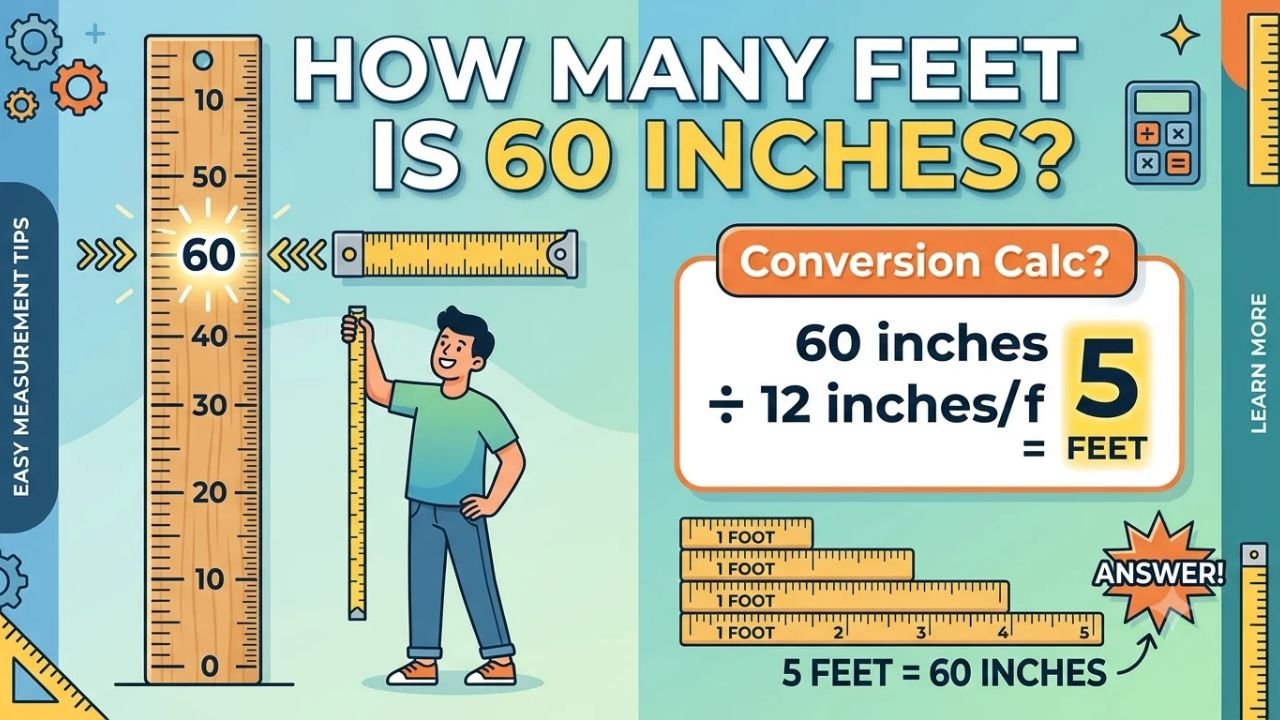
Millimeter is the name of a measurement unit of a small scale length. 1,000 millimeters are equal to one meter and 10 millimeters are contained in a single centimeter.
This implies that 5mm equals one half centimeter. This is a short length but is very helpful in measuring small objects that have to fit in.
Here are the most useful conversions:
| Measurement unit | Equivalent to 5mm |
| Millimeters | 5 mm |
| Centimeters | 0.5 cm |
| Inches | Approximately 0.197 in |
| Meters | 0.005 m |
When we convert it to inches, 5mm will be roughly equivalent to 1/5th of an inch.
It would also amount to something less than a quarter of an inch.
Using a metric ruler, locate the 0 point and count up to five millimeters from there.
The 5th mark represents 5mm.
10 Small Objects That Make 5mm Easier to Imagine
The below objects give concrete forms to visualize this measurement. Some are made to 5mm nominal sizes, and others are for visual comparison purposes only. When measuring precisely for something, be sure to refer to the specified dimensions.
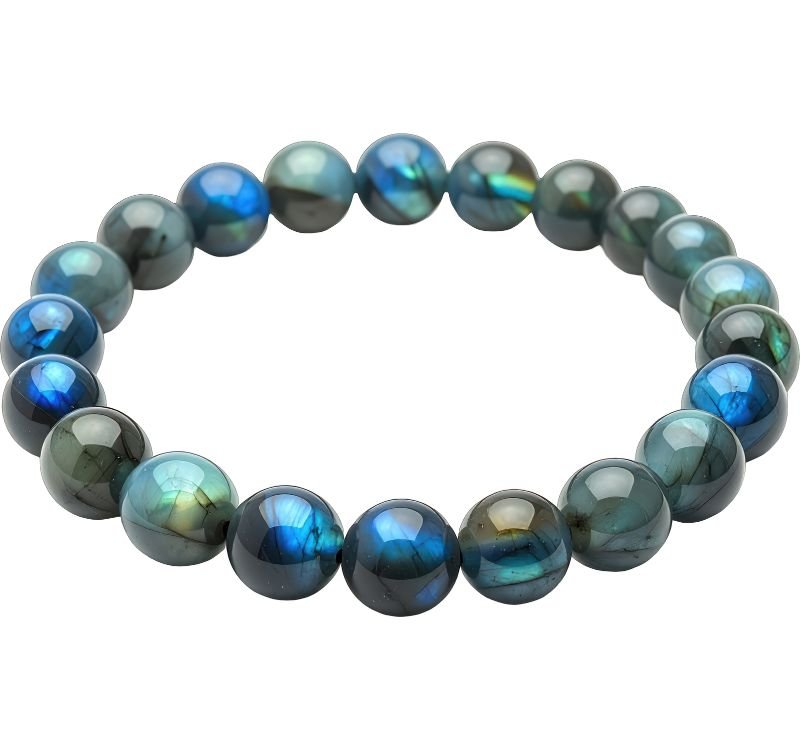
A Small Round Craft Bead
Round beads are very easy to think about, so we will take a round bead labeled 5 mm as one of the most simple examples. They are used to create bracelets, necklaces, keychains, and small crafts.
Envision a small ball placed between your thumb and index finger. That is approximately the diameter of a 5mm bead.
These beads are composed of glass, wood, plastic or stone. The actual size depends on the manufacturer but may differ slightly so check for a stated diameter prior to buying.
A Small LED Light
Several electronic projects use round LEDs, nominal lens diameter 5mm. They are common in hobby electronics kits, indicator panels, and circuits that you make yourself.
The rounded lens renders an example of a small object with well-defined width. Its brightness is such that, when the light turns on, it can be easier to spot even though the component itself is very small.
Keep in mind that 5mm is the lens diameter size of this LED type, not the overall length with its metal legs.
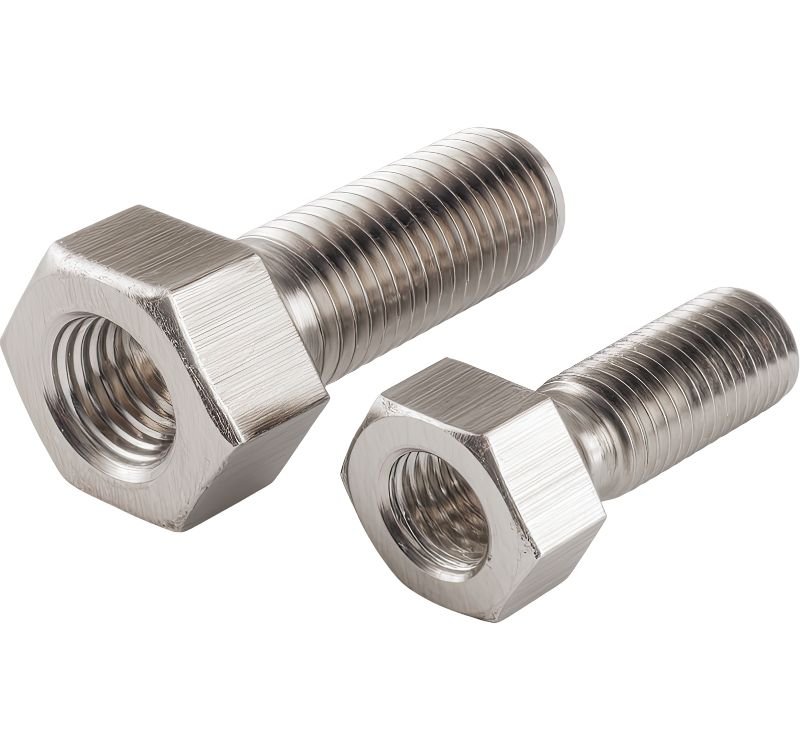
M5 Fastener Threaded Diameter
The M5 screw or bolt is based on a nominal thread diameter of 5mm. These fasteners can be utilized in wide-ranging mechanical assemblies, equipment and furniture components.
The letter M means a metric thread, whereas 5 expresses the nominal diameter in mm.
A notable detail in this is that the threaded rod isn’t guaranteed a perfect 5.00mm at every point. The size measured is affected by manufacturing tolerances and thread dimensions. Even so, an M5 fastener on 2023/10 should help demonstrate something approaching 5mm in the real world.
A 5mm Drill Bit
Each dimension has different common sizes, so there are drill bits 5 mm large in the metric scale. The measurement refers to the bit’s nominal diameter which determines an approximate width of an intended hole.
You would probably find one inside a household toolbox or at a hardware store. We see this at best with its thin metal shaft, which is a visually clear example of a small diameter.
Drill bits are particularly handy when you want to compare two measures because same sized drill bits are usually stored together in a set. This exemplifies how just a few millimeters can make a big difference when placing a 5mm bit next to either a 3 or an 8.
A Small Pearl
Pearls are offered in numerous diameter ranges, and a 5mm is one of the sizes you might see in jewelry shops. Such a pearl can be used for making delicate earrings, necklaces, and bracelets.
It is like a small, round little ball made of just a shiny surface. The shape is somewhat rounded, which makes it similar in appearance to a 5mm bead.
They are not always perfectly round for a cultured pearl and their shape can vary with natural pearls and thus 5mm may also be wider than other parts of the same pearl. Check the product specifications of jewelry if they are related to size for a specific project.
A Jewelry Jump Ring
A jump ring is a tiny loop that metal forms to join, one part of a necklace, bracelet or charm with another. There are also some jump rings available with an outer diameter of 5mm.
This example also teaches us a valuable lesson about the measurements — a ring can mean many different things depending on its size! This means that it is important to distinguish the outer diameter, which spans as far as the loop extends, and the inner diameter which occupies space inside.
A 5mm outer-diameter ring does NOT have a 5mm-wide opening, for example. Part of that space is taken up by the thickness of the metal.
A Tiny Steel Ball Bearing
These low frictions associate small ball bearings that create rolling to move parts in the machine, and other machines. Certain ones come with a 5mm ball diameter.
A steel ball this size is small, slick and easily visualised against a spherical bead. While it may be shiny, while it may look bright — to confirm its actual size, get a ruler.
Ball bearings being precision parts: the stated diameter and tolerances in manufacturing. Do not even look at every small little ball of metal and think that they are all real 5mm.
The Tip of a Hex Key
Hex keys are a simple tool for turning screws with hexagonal sockets, also known as Allen keys. The most common size is a hex key, 5mm across at the widest.
A hex key has six sides rather than a round cross section that looks much like a bead. The “size” refers to the distance between the two opposite flat sides of a working end.
That is a practical example, because it illustrates that a 5mm measurement does not necessarily represent the diameter of a circle. It may also refer to the width across the flats of a shaped tool.

A Small Dowel Pin
What’s a dowel pin?Dowel Pins are short cylindrical pieces used to position or align conveniently. There are metric dowel pins with nominal diameters of 5 mm.
For example: imagine a small straight metal cylinder with a smooth surface. The width gives a reference for the measurement
Dowel pins can be made of steel, stainless steel and other materials. A pin can be anything from teeny to long so the 5mm here is its diameter rather than how long it might happen to be.
A Small Rivet
Definition of rivet: any of various metallic fasteners used for fastening two or more plates. There are different sizes, for example, a small hammer may have a shank diameter of 5mm.
To help visualize this measurement in the hardware, consider a rivet. The shank is the part of the bolt that goes through whatever you need to connect, and then there’s a wider head.
The head and shank can be completely different sizes, so avoid assuming a rivets size based solely upon the head. Look for indication of whether the measurement listed is shank diameter, head diameter or some other dimension.
How Does 5mm Compare With Other Small Measurements?
Comparing 5mm with nearby measurements makes the difference easier to understand.
| Measurement | What it means |
| 1mm | One-fifth of 5mm |
| 2mm | Smaller than 5mm by 3mm |
| 3mm | Smaller than 5mm by 2mm |
| 5mm | Half a centimeter |
| 10mm | Twice as large as 5mm |
| 20mm | Four times as large as 5mm |
| 25.4mm | Equal to one inch |
We take an example like 10mm = 1cm, to be more specific then half of that distance is exactly 5mm. On to the metric system, one inch is 25.4mm so therefore five millimeters comes out to about one fifth of an inch.
This is especially useful when you’re selecting small-craft pieces, measuring hardware, or reading online product descriptions.
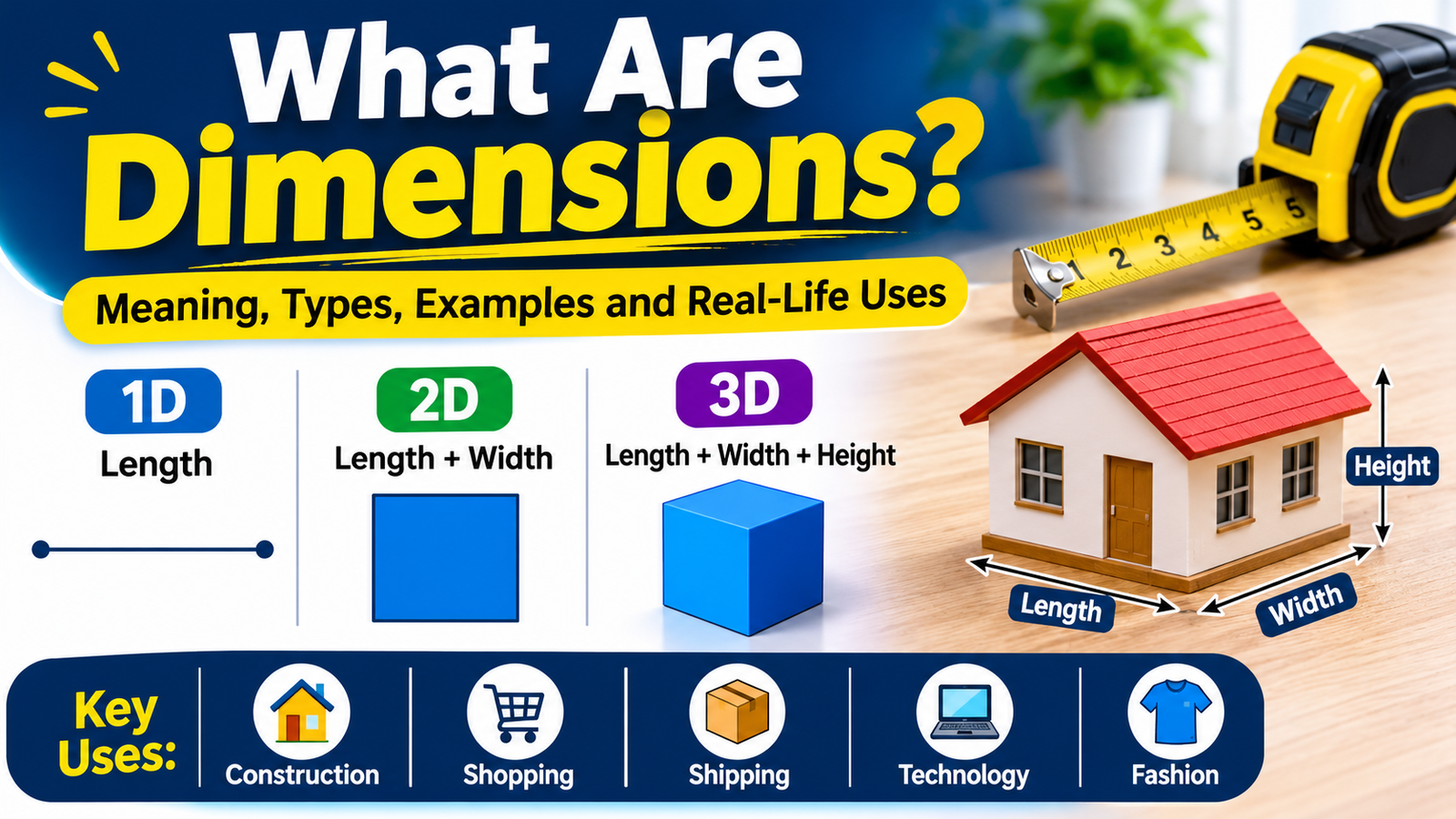
Is 5mm a Length, Width, or Diameter?
It depends on the object you measure. The term 5mm is a distance, but it’s not obvious what dimension it is measuring.
5mm typically refers to the diameter (the distance across the center of an object) for a bead or steel ball.
For example, for a screw it may mean the nominal thread diameter It indicates how far apart opposite flat sides are for a hex key. A measurement for a jump ring, it may be indicating one with an outer or inner opening.
That difference will matter when you go to purchase replacement parts, or jewelry supplies. Two objects could be 5mm in both dimensions yet have widely disparate shape and size.
Three Ways to Check 5mm at Home
You can approximate this measurement with common household items, but a ruler (or caliper) is best when precision matters.
Use a metric ruler. Search for the centimeter markings, and observe the smaller divisions between these markers. One small division is 1mm, hence the five divisions actually mean 5mm.
Compare it with something of known size. A 5mm bead, a 5 mm LED is good for a quick reference. Do not judge its size from the outside, but check its specifications first (or give me a break).
Use a digital caliper. Caliper If you are required to measure a small part with precision, the caliper can provide details such as diameter or width of the component. Lay the jaws against the object lightly and read your display.
Fingernails or finger tips can give an approximate comparison, but these are person-specific and should not be considered tools to measure things accurately.
Conclusion
So, how big is 5mm? It is half a centimeter or ~0.197 inches, which is handy for many small items.
To visualize this size in practical terms, you can think of a 5mm craft bead, LED lens, M5 nut or drill bit. But note that not every object on this list is 5mm in every dimension. See if the measurement is taken through its diameter, width, opening or length.
Knowing how millimeters function certainly makes it much easier to gauge tiny things against each other. Even if you are purchasing jewelry, designing a craft or trying some hardware, understanding how much 5mm is can guide you to decide on the perfect size with better assurance.
Frequently Asked Questions
How big is 5mm in inches?
Five millimeters equals approximately 0.197 inches, which is just under one-fifth of an inch.
Is 5mm the same as half a centimeter?
Yes. One centimeter equals 10mm, so 5mm is exactly 0.5cm.
Is 5mm considered small?
Yes, 5mm is a small measurement. It is useful for describing beads, electronic components, fasteners, and other compact objects.
Can I measure 5mm without a ruler?
You can estimate it by comparing an object with a known 5mm bead or component. For a reliable measurement, use a metric ruler or caliper.
Are all objects labeled 5mm exactly that size?
Not necessarily. Some products use nominal sizes, and manufacturing tolerances can affect their actual dimensions. The meaning of the measurement also depends on which part of the object is being described.




Leave a Reply